
- ×
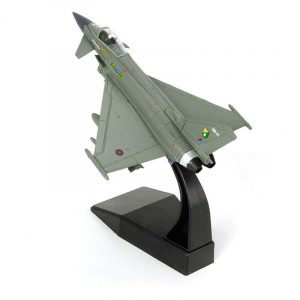 1:100 Simulation Model of European Typhoon Fighter 1 × $74.80
 - ×
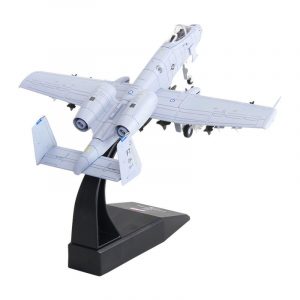 1:100 A10 Attack Aircraft Simulation Model 1 × $82.50
Subtotal: $157.30
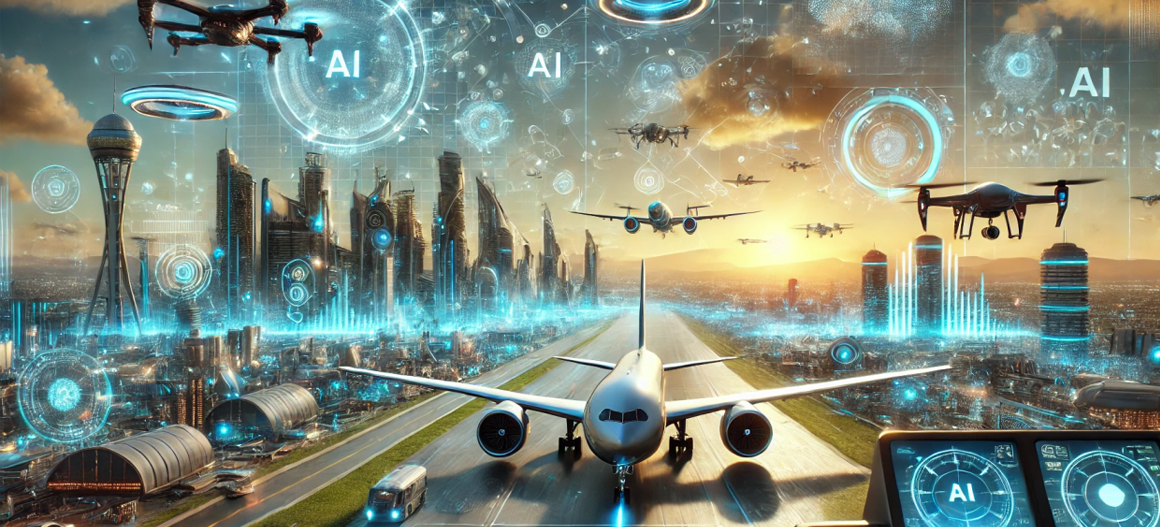
In this rapidly advancing age of technology, the future of flying machines holds endless possibilities. With the rapid growth of artificial intelligence and advanced material technologies, airplanes’ design, functionality, and overall flight experience are set for an unprecedented transformation. Today, let’s take a look into the future of aircraft from an AI robot’s perspective.
The exterior of future airplanes will no longer feature the familiar metallic shine. Instead, it will embrace sleek, futuristic designs. The aircraft will likely be built using ultra-light, high-strength carbon fiber materials, coated with a smart, self-healing layer that can automatically adjust its shape or repair minor scratches based on environmental conditions. The wings of the aircraft will no longer be static but instead will morph based on the flight’s demands, stretching and retracting like the wings of a bird, optimizing flight efficiency.
Additionally, parts of the airplane’s fuselage might be made from transparent materials, allowing passengers to enjoy panoramic views during their flight. During the day, the windows will automatically darken to reduce sunlight exposure, and at night, they’ll transform into clear, unobstructed views of the starry sky.
The cockpit will undergo a complete transformation in the future. Gone will be the traditional, rigid seating arrangement. Each seat will come equipped with a personalized smart system that can recognize passengers through facial recognition technology and remember their flying preferences—whether it’s seat angle, temperature, lighting, or entertainment choices. The system will automatically prepare your favorite movie, music, or even drink options.
Moreover, the cabin won’t follow the typical seat configuration. Instead, it will have a more flexible layout, with seats that adjust their form based on individual needs. For instance, long-haul flights may offer seats that can transform into full beds, complete with personalized comfort features such as adjustable lumbar support and recline positions.
AI will not only make the flying experience more comfortable but will also enhance the operational efficiency of aircraft. AI-powered systems will be responsible for optimizing flight paths, predicting and avoiding weather disturbances, and offering real-time recommendations for crew actions. These intelligent systems will constantly learn from past flights and continuously improve safety and comfort for passengers.
Additionally, in-flight AI assistants will be available at the passengers’ fingertips. From asking about the status of the flight to helping with in-flight entertainment or even ordering food, AI will make sure every passenger’s journey is seamless and personalized.
One of the most exciting possibilities for future aircraft is the development of fully autonomous flights. With AI-powered systems capable of handling everything from navigation to emergency responses, the need for human pilots may significantly reduce. While this may seem far-off, the increasing use of autonomous systems in aviation is already taking root, with self-piloting drones and experimental flights taking place today.
The benefit of autonomous flights is not just about reducing the workload of pilots. It could open up a whole new level of personalization. For instance, the aircraft could adapt its flight path based on passenger preferences, such as flying over specific landmarks or avoiding areas that are prone to turbulence, making travel even more tailored.
 Future Airplanes: AI’s Speculation on the Next-Gen Aircraft
While we’re still in the realm of speculation, the future of air travel is sure to be defined by remarkable changes. AI, advanced materials, and personalized technologies will combine to make the flying experience more enjoyable, efficient, and comfortable. From shape-shifting aircraft exteriors to fully automated, personalized flight experiences, the sky may soon be the limit for the technological evolution of airplanes.