
- ×
 1:100 Simulation Model of European Typhoon Fighter 1 × $74.80
 - ×
 1:100 A10 Attack Aircraft Simulation Model 1 × $82.50
Subtotal: $157.30
 1:100 Simulation Model of European Typhoon Fighter 1 × $74.801:100 A10 Attack Aircraft Simulation Model 1 × $82.50
Subtotal: $157.30

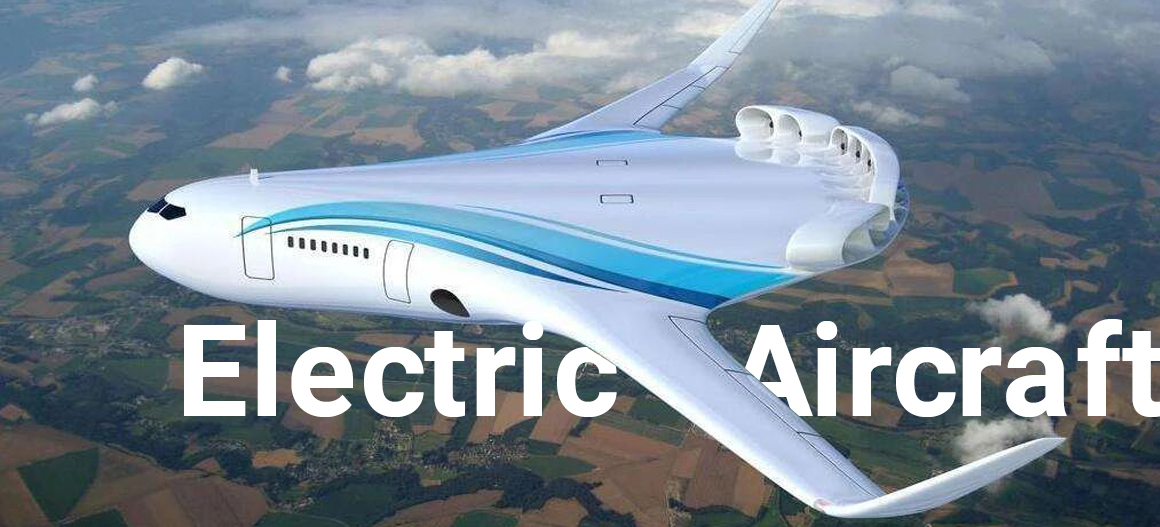
In the electric age, is there anything that cannot be electrified? How can the big bird flying in the sky not be electric. Let’s take a look at the current development and application of electric aircraft, what kind of development is needed
Currently the energy density of batteries is relatively low, and higher energy density is needed to achieve longer flight time for electric aircraft. Therefore, greater investment is needed in battery technology to explore new battery materials and structures, improve energy density and service life, and reduce manufacturing costs.

The efficiency of electric motors is lower than that of traditional fuel engines. Therefore, researchers can improve the design of electric motors, use new materials and manufacturing processes to increase efficiency, and reduce power consumption.

Electric aircraft require the use of lightweight materials to reduce weight, improve flight time, and increase payload capacity. Therefore, new materials need to be developed, and aircraft structure and design optimized to reduce air resistance and weight, thereby improving electric aircraft performance.
Electric aircraft require advanced control systems to manage and coordinate battery, motor, flight control, and charging equipment systems. Therefore, advanced control systems need to be developed, including intelligent control, adaptive control, and networked control, to achieve efficient operation and safety control of electric aircraft.
New designs can reduce air resistance and aircraft weight, improve electric aircraft performance. For example, technologies such as tip propellers, distributed power systems, and variable wing geometry can reduce air resistance, improve energy utilization efficiency, and maneuverability. In addition, new aircraft types can be developed, such as vertical take-off and landing electric aircraft and solar-powered electric aircraft to meet different needs.
In conclusion, the research and development of electric aircraft in the future require interdisciplinary cooperation and innovative thinking. Only by deepening technological research, increasing investment, and promoting industrialization can we achieve commercial applications of electric aircraft and promote the aviation industry towards a more environmentally friendly and sustainable direction.